How Gastric Bypass Surgery Works to Support Long-Term Weight Loss
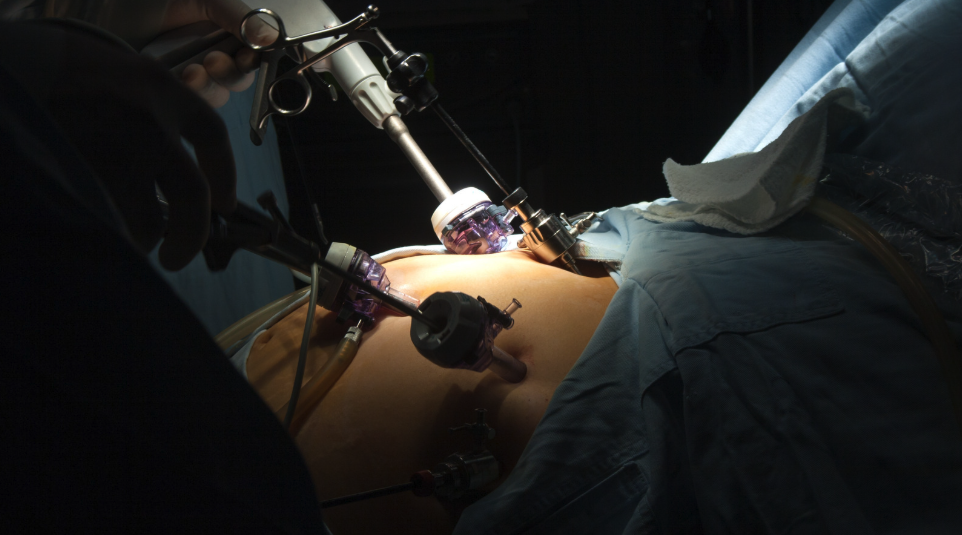
Weight loss surgery is often considered when other approaches have not led to lasting results. It is a medically guided procedure designed to support individuals in achieving a healthier body weight and improved overall wellbeing. Many patients exploring gastric bypass surgery in Jacksonville want to understand how the process works and why it is effective over time. With professional care and structured planning, this procedure offers more than short-term change. It creates a foundation for long-term weight management supported by medical expertise and ongoing care.
Understanding The Basics of the Procedure
Before considering surgery, patients should know what a gastric bypass is and how it alters the digestive system. The procedure involves creating a smaller stomach pouch and rerouting a portion of the small intestine. This change limits the amount of food the stomach can hold while also affecting how calories and nutrients are absorbed. The result is a controlled intake of food and a reduction in calorie absorption, both of which contribute to weight loss.
How The Surgery Supports Weight Loss
Gastric bypass works through a combination of restriction and reduced absorption. The smaller stomach pouch allows patients to feel full more quickly, which helps reduce portion sizes. At the same time, the rerouting of the digestive tract limits how many calories are absorbed by the body. This dual approach is one of the key reasons why the procedure is effective for long-term weight loss when combined with professional guidance.
Hormonal Changes and Appetite Control
In addition to physical changes, gastric bypass surgery also affects hormones that regulate hunger and fullness. These hormonal shifts can reduce appetite and help patients feel satisfied with smaller amounts of food. This natural regulation plays an important role in supporting long-term success. By reducing hunger signals, patients are better able to maintain healthier eating patterns over time.
Structured Recovery and Adjustment
Recovery after gastric bypass surgery is carefully managed to ensure safe healing and proper adjustment to new eating habits. Patients follow a structured plan that gradually reintroduces different types of food. Professional supervision during this stage helps prevent complications and ensures that the body adapts effectively. This period is essential for establishing habits that support long-term weight management.
Importance Of Professional Follow-Up Care
Ongoing care is a critical part of achieving lasting results after gastric bypass surgery. Regular follow-up appointments allow healthcare professionals to monitor progress and make necessary adjustments. These visits help address any concerns and ensure that patients are maintaining proper nutrition and overall health. Continuous support reinforces positive habits and contributes to sustained weight loss.
Long-Term Lifestyle Integration
Gastric bypass surgery is most effective when combined with long-term lifestyle changes. Patients are guided to adopt healthier routines that support their new physiology. This includes balanced nutrition, consistent medical monitoring, and adherence to professional recommendations. The goal is to create a sustainable approach that helps maintain results and improve overall quality of life.
Conclusion
Gastric bypass surgery supports long-term weight loss by combining physical changes, hormonal adjustments, and professional care. By understanding how the procedure works and committing to ongoing support, patients can achieve meaningful and lasting improvements in their health. This comprehensive approach ensures that weight loss is not only achieved but also maintained over time.

