Top 7 Nomadic Traditions and Where to Experience Them
In a world of skyscrapers and high-speed internet, some cultures still move to the rhythm of nature. These are the nomadic peoples – those for whom home is not a fixed address, but the vast open steppe, the mountain pass, or the Arctic tundra.
Their traditions are not relics of the past. They are living practices, passed down through generations, offering a profound connection to the earth and a way of life that has all but disappeared from the modern world. From the heart of Central Asia to the frozen North, here are 7 of the most fascinating nomadic traditions you can still witness today.
1. Eagle Hunting (Berkutchi) – Kyrgyzstan & Mongolia
Imagine a rider on a windswept mountain, holding a massive golden eagle on his arm. This is berkutchi, the ancient art of hunting with eagles. The bond between hunter and bird is legendary, a partnership forged over years, where the eagle is treated not as a pet, but as a cherished member of the family. This tradition, used to hunt fox and hare, is a profound display of trust and skill, passed down from father to son for millennia.
This living tradition is still proudly practiced in the remote valleys of the Tien Shan mountains. To witness the berkutchi and their majestic eagles in action, and to experience the landscape that shaped this culture, you can explore specialized kyrgyzstan tours that connect you with local families during the hunting season.
2. Reindeer Herding – The Sámi (Scandinavia) & Nenets (Siberia)
Following vast herds of reindeer on migrations across the frozen tundra is a way of life for peoples like the Nenets of Siberia and the Sámi of northern Scandinavia. Every aspect of their existence: food, clothing, shelter, and transport, is intertwined with the reindeer. This nomadic practice requires incredible endurance and an intimate knowledge of the land, as families move hundreds of kilometers each year, living in portable tents called chums or lavvu, a tradition that has continued for centuries in one of the harshest environments on Earth.
3. The Art of the Yurt (Boz Ui) – Central Asia
The yurt, or boz ui in Kyrgyz, is an architectural marvel. This portable, circular dwelling is made of a collapsible wooden lattice frame and covered with thick, insulating layers of felt made from sheep’s wool. It can be assembled or taken down in under an hour, yet it is incredibly sturdy and warm. For nomads of the steppe, the yurt is more than a home; it’s a microcosm of the universe, with its domed roof representing the sky dome. Stepping inside one is to step into a world of timeless hospitality and ingenious design.
4. Kok Boru: The Spirit of the Steppe – Central Asia
If you want to see nomadic culture in its most dynamic form, look to Kok Boru. Often translated as “gray wolf,” this is a traditional horseback game played across the steppes of Kyrgyzstan and other Central Asian nations. Two teams of riders on horseback battle fiercely to grab a headless goat carcass and deposit it into the opponent’s goal, often a large cauldron or “tai kazan.” It is a breathtaking display of horsemanship, strength, and courage, embodying the warrior spirit and resilience of the nomadic people.
5. Felt-Making (Kiiz) – The Craft of the Land
Before woven fabrics, there was felt. For nomadic cultures, felt-making (kiiz in Kyrgyz) is not just a craft; it is a necessity and an art form. Using only sheep’s wool, hot water, and soap, women work together, rhythmically rolling and pressing the wool until it magically binds into a durable, waterproof fabric. This felt is used to cover yurts, create intricate patterned carpets (shyrdaks), and make warm clothing and slippers. The vibrant, symbolic patterns tell stories of the land and the tribe, making each piece a unique work of art.
6. Bedouin Hospitality – The Arabian Deserts
In the vast, unforgiving deserts of Arabia, hospitality was not merely a custom but a sacred duty for survival. The Bedouin tradition of welcoming strangers is a ritual steeped in ceremony. A guest is invited into the tent, offered the best seat, and served cardamom-spiced coffee (qahwa) and sweet dates. The preparation and serving of the coffee is a sign of respect and generosity. This profound tradition of honoring the guest continues today, offering a glimpse into the soul of the desert.
7. Transhumance in the Mountains – The Kyrgyz Shepherds
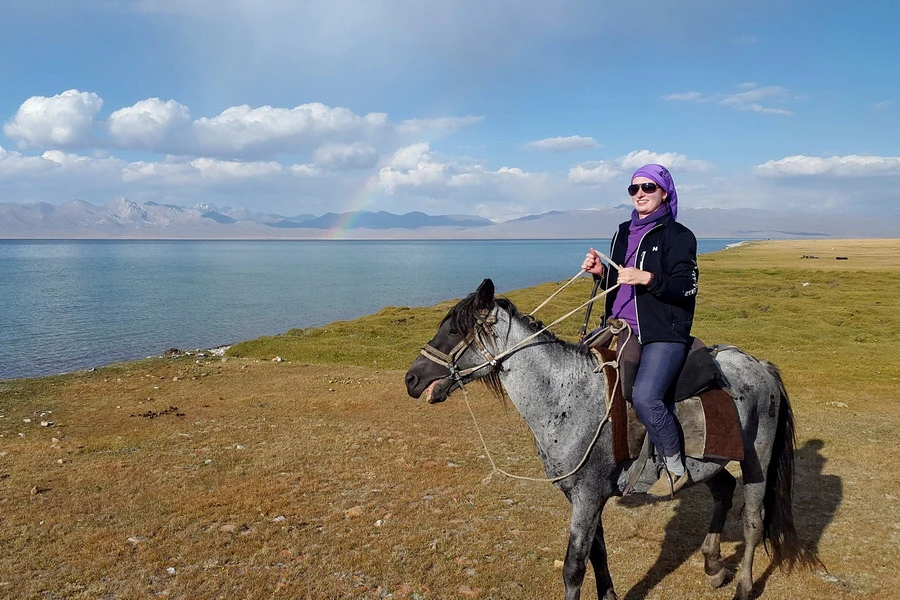
While the image of the nomad often involves vast, flat plains, in Kyrgyzstan, nomadism is defined by altitude. This is transhumance: the seasonal migration of shepherds and their families with their herds of sheep, horses, and yaks. In spring, they move up to the lush, high-altitude summer pastures known as jailoo. Here, they live in yurts, make cheese and kymyz (fermented mare’s milk), and enjoy a brief but intense season of abundance before descending again before the winter snows. It’s a cycle of life that has shaped the Kyrgyz landscape and character for over three thousand years.
These seven traditions are windows into worlds that move to a different beat. They remind us that there are other ways to live, to connect with nature, and to define community. For the traveler, witnessing these ancient practices is not just a trip; it’s a journey into the very heart of human history and resilience.