How B2B Buyers Can Vet a Hybrid Car Battery Supplier in the UAE
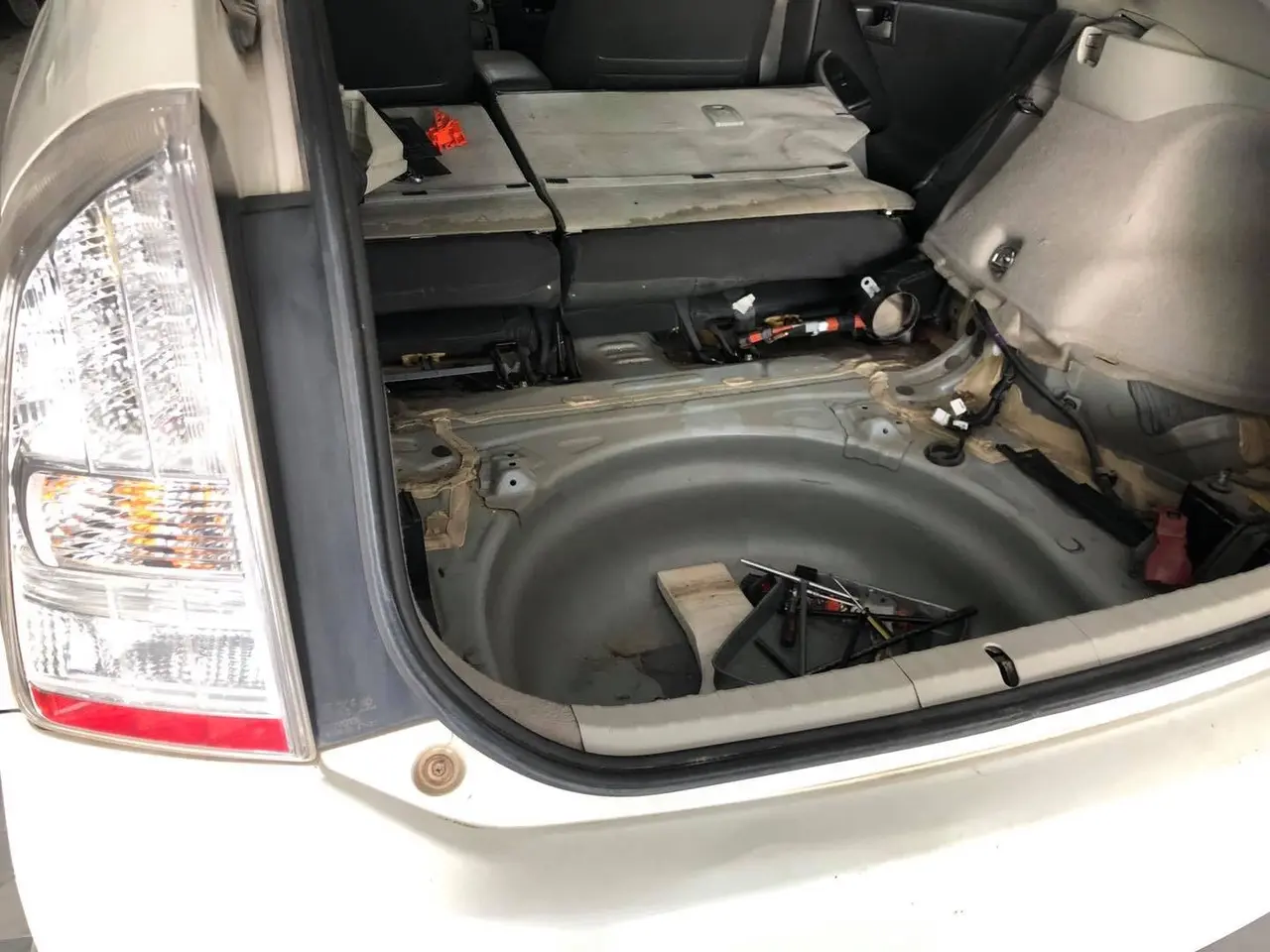
For automotive workshops, parts distributors, importers, resellers, and fleet maintenance teams, choosing a battery supplier is an operational decision rather than a simple price comparison. An unreliable shipment can leave workshop bays occupied, delay customer vehicles, disrupt fleet schedules, and tie up capital in inventory that cannot be sold or installed.
The challenge is particularly important in the UAE, where suppliers may serve both local businesses and international buyers. Product condition, model compatibility, testing practices, stock depth, export readiness, and communication all need to be evaluated before a purchase order is placed. The following framework can help procurement teams distinguish a dependable commercial supply partner from a trader offering inventory with limited supporting information.
Start by Confirming the Supplier’s B2B Focus
A company that occasionally sells a battery to an individual driver may not be equipped to support wholesale customers. B2B buyers require repeatable processes, predictable communication, quantity-based quotations, organized stock handling, and the ability to fulfill recurring orders.
Ask which customer groups the supplier regularly serves. A credible wholesale operation should understand the needs of workshops, distributors, importers, fleet operators, and automotive parts resellers. It should also be comfortable discussing order quantities, model demand, collection arrangements, shipping requirements, and future replenishment.
This distinction matters because a commercial buyer is not merely purchasing one car battery. The buyer is protecting service capacity, resale margins, customer commitments, and business continuity. A supplier should therefore be evaluated on its ability to support an ongoing procurement relationship, not just a single transaction.
Investigate Where the Batteries Come From
Sourcing transparency is one of the strongest indicators of supplier quality. Buyers should ask where used hybrid batteries originate, how supply partners are selected, and what information is available about the vehicles from which units were removed.
Japanese sourcing can be commercially attractive because it may provide access to components from well-maintained or relatively low-mileage vehicles. However, the country of origin alone is not proof of condition. The supplier should still explain how batteries move from dismantlers, dealership-related sources, or other established channels into the UAE inventory network.
Hybrid Hive, a specialized wholesale supplier based in Sharjah, sources through trusted partners in Japan and positions transparency as part of its commercial process. This type of traceable sourcing gives buyers a stronger basis for procurement than vague statements such as imported stock or premium quality, which reveal little about the actual supply chain.
Examine Inspection and Testing Procedures
Visual appearance cannot establish whether a used hybrid battery is suitable for commercial supply. Buyers should request a clear explanation of inspection and testing procedures before discussing large orders.
Questions worth asking include:
- Is the unit inspected before it enters available inventory?
- Is voltage testing performed, and at what stage?
- Are batteries checked again while an order is being prepared?
- Can a business buyer arrange testing at the warehouse?
- How are visibly damaged or unsuitable units excluded?
- Can the supplier confirm the requested voltage requirement?
Hybrid Hive describes a dual-inspection process supported by voltage testing and condition checks. This is relevant to workshops and resellers because documented procedures reduce uncertainty and make internal purchasing decisions easier to defend. Buyers should still communicate their precise requirements, as testing does not eliminate the need to confirm application, generation, quantity, and expected condition.
Verify Model Knowledge and Compatibility
Hybrid battery procurement is highly model-specific. A general description such as Toyota battery is not sufficient for a professional order. Buyers should provide the vehicle model, generation, required quantity, and voltage details, while suppliers should be able to confirm compatibility before preparing the quotation.
High-demand applications commonly include the Toyota Prius, Toyota Aqua or Yaris, Toyota Camry, and Lexus RX Hybrid. A knowledgeable supplier should recognize that model names can cover several generations and market variants. It should ask clarifying questions instead of assuming that every unit under a familiar name is interchangeable.
When evaluating any hybrid car battery supply option, request written confirmation of the specification associated with the quotation. This simple step can prevent incorrect stock from entering a warehouse, occupying valuable space, and creating avoidable return or resale problems.
Assess Inventory Depth, Not Just Current Availability
A supplier may have enough stock for a trial order but still be unable to support monthly purchasing. For distributors and fleets, repeat-order capability is often more valuable than a one-time low price.
Ask how quickly stock can be checked, whether popular models are held in meaningful quantities, and how alternative options are handled when the exact request is unavailable. It is also reasonable to ask about the supplier’s historical operating scale. Hybrid Hive reports that more than 20,000 batteries have been supplied or processed and presents a 4.9 positive review signal. These proof points can support initial confidence, although buyers should always conduct their own order-specific due diligence.
Large inventory also needs organization. Confirm that units are stored appropriately, identified by relevant model information, and prepared systematically for pickup or shipment. Stock volume has limited commercial value if the supplier cannot locate and allocate the correct products efficiently.
Review the Quotation and Fulfillment Process
Professional suppliers make it easy for procurement teams to understand what happens next. A practical order flow should include the following stages:
- The buyer submits the model, generation, quantity, and voltage requirement.
- The supplier checks stock and confirms availability.
- A transparent quotation is prepared.
- Alternative options are proposed if the exact request is unavailable.
- Following payment confirmation, the order is prepared for warehouse collection or shipment.
Look for clarity about quantities, product description, pricing, collection or shipping arrangements, and expected preparation times. Ambiguous quotations may produce disputes later, particularly when goods are being purchased for export. Fast answers are useful, but accurate answers supported by an organized process are more valuable.
Check UAE Logistics and Export Readiness
A UAE-based warehouse can give regional buyers faster access to stock and allow qualifying customers to discuss inspection or collection arrangements. International importers, meanwhile, should verify whether the supplier can prepare commercial orders for overseas shipping.
Export readiness is not simply a promise to ship worldwide. Buyers should discuss destination details, order size, packaging expectations, document responsibilities, and the point at which logistics costs are confirmed. The supplier should communicate what it handles directly and what remains the responsibility of the buyer or freight partner.
Hybrid Hive supports warehouse pickup in the UAE as well as international shipment arrangements, making it relevant to both local automotive businesses and overseas distributors. Buyers should share destination and quantity information early so the quotation and fulfillment plan can reflect the actual transaction.
Balance Price, Reliability, and Sustainability
The lowest unit price does not necessarily deliver the lowest procurement cost. Incorrect compatibility, inconsistent condition, poor communication, or late fulfillment can create costs that exceed an initial saving. A better comparison considers usable inventory, testing, response time, repeat availability, and logistical support together.
Tested used batteries can also contribute to a more circular automotive supply chain by extending the useful life of viable components. For cost-conscious workshops and fleets, responsible reuse can align sustainability with practical performance rather than treating them as competing priorities. The key is to work with a supplier that screens stock carefully and communicates condition honestly.
Use a Trial Order to Validate the Relationship
Before committing to a major recurring order, consider placing a controlled trial order. Evaluate whether availability was confirmed accurately, the quotation matched the final arrangement, the supplied units aligned with the requested models, and communication remained responsive throughout fulfillment.
Create a simple supplier scorecard covering sourcing transparency, testing process, compatibility knowledge, stock reliability, quotation clarity, logistics support, and response time. This turns supplier selection into a repeatable business process rather than a decision based on price or sales claims alone.
For businesses seeking a Sharjah-based wholesale source, Hybrid Hive offers tested used hybrid batteries, business-ready inventory, and support for bulk and repeat requirements. Procurement teams can start by preparing a detailed request with the model, generation, quantity, voltage requirement, and destination. That information will help the supplier confirm availability quickly and provide a more accurate commercial proposal.
Ultimately, the strongest supplier is the one that helps reduce uncertainty across the entire purchasing cycle. By verifying sourcing, testing, compatibility, stock depth, and fulfillment before ordering, B2B buyers can protect margins, maintain service continuity, and build a battery supply chain that is both commercially resilient and resource-conscious.