Langley Fence Permits: Height Limits, Setbacks, and HOA Rules Explained
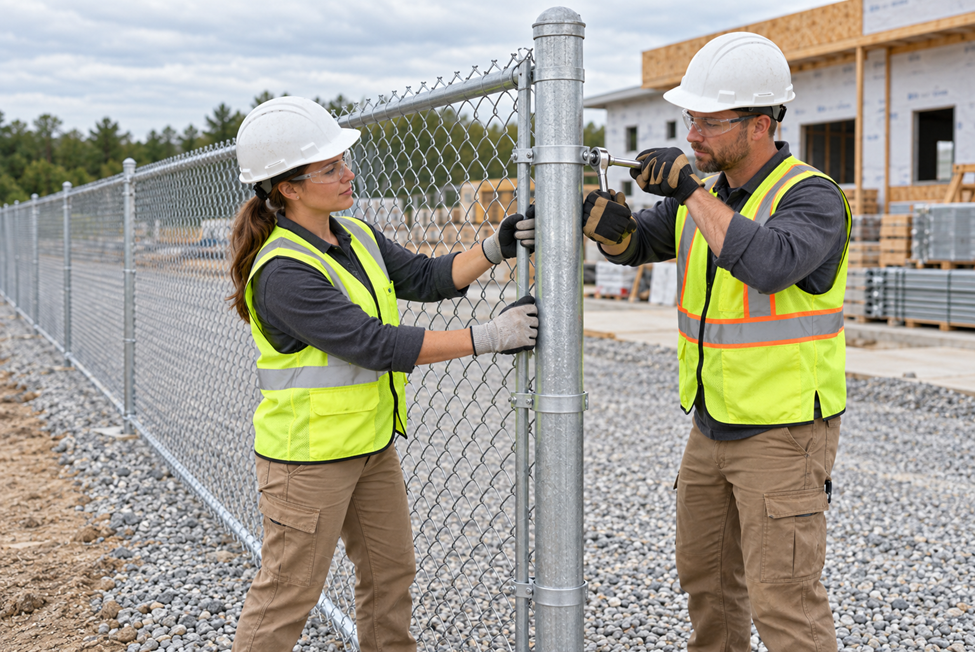
Quick answer: Fence rules in Langley typically depend on your property’s zoning, the fence’s location (front, side, or backyard), and whether a homeowners’ association (HOA) governs your neighbourhood. Most municipalities, including Langley, require permits for taller fences and enforce setback distances from property lines. Always confirm specifics with the City of Langley’s Planning Department before building, and hire a licensed, local contractor who already understands these rules.
Building a fence sounds simple, right? Pick a style, choose a material, and get building! But here’s the thing—fences are one of the most commonly flagged violations in municipal permitting offices across Canada. Height limits, setback requirements, and HOA bylaws can turn an exciting home improvement project into a costly headache if you skip the research.
That’s where this guide comes in! We’re breaking down what property owners in Langley need to know about fence permits, zoning restrictions, and how to work with the right contractor to get it done right the first time. Whether you’re installing a classic wood fence, a sleek metal option, or searching for Langley chain link fence contractors to secure your backyard, understanding the local rules will save you time, money, and unnecessary stress.
Let’s get your fence project moving in the right direction!
Why Do You Need a Permit to Build a Fence in Langley?
Great question! Many homeowners assume fences are exempt from municipal oversight because they’re not “real” structures like homes or garages. Not true! Fences affect sightlines, drainage, property boundaries, and neighbourhood aesthetics, which is exactly why cities regulate them.
In Langley, as in most British Columbia municipalities, fence permits exist to:
- Protect sightlines at intersections and driveways, reducing the risk of accidents caused by obstructed views.
- Maintain consistent neighbourhood character, especially in planned communities or heritage areas.
- Prevent boundary disputes by confirming fences sit within your legal property line.
- Ensure structural safety, particularly for taller fences or those built near utilities.
Skipping the permit process can lead to fines, forced removal of your fence, or neighbour disputes that drag on for months. Nobody wants that! A quick call or visit to the City of Langley’s Planning and Development Department before you start digging post holes can save you from a world of frustration.
What Are Langley’s Fence Height Limits?
Height restrictions are one of the most common reasons fence permits get rejected or revised. While exact bylaw numbers can change, most municipalities—including Langley—generally follow this pattern:
- Front yard fences are usually restricted to a lower height (often around 1.2 metres or less) to preserve visibility and curb appeal.
- Side and rear yard fences typically allow for taller structures (often up to 1.8 to 2 metres), giving homeowners more privacy without blocking neighbourhood sightlines.
- Corner lots often have additional restrictions near intersections to maintain clear sightlines for drivers.
Because these numbers can vary based on zoning designation (residential, agricultural, commercial) and whether your property backs onto a park, trail, or environmentally sensitive area, confirm the current bylaw details directly with the City of Langley before finalizing your fence design. A quick phone call to the Planning Department—or a look at the city’s official bylaw documents—will give you the certainty you need.
How Do Setback Requirements Affect Your Fence Placement?
Setbacks determine how far a structure must sit from a property line, road, or easement. While fences are often given more flexibility than buildings, setbacks still matter, especially in these situations:
- Fences near roadways or sidewalks, where visibility and pedestrian safety are priorities.
- Fences near utility easements, since municipalities and utility companies need access for maintenance and repairs.
- Fences near environmentally protected areas, like streams, wetlands, or steep slopes, which may require additional buffer zones.
Choose to confirm your exact setback requirements with the city if your property borders any of these features. Building too close to a boundary can trigger a stop-work order and require costly adjustments. It’s always easier (and cheaper!) to get it right from the start.
What Role Do HOA Rules Play in Fence Approval?
If your Langley property is part of a homeowners’ association or strata community, your fence project involves an extra layer of approval. HOA rules often go beyond municipal bylaws, covering details like:
- Approved materials (vinyl, wood, chain link, wrought iron, etc.)
- Colour schemes that must match community guidelines
- Fence styles that align with the neighborhood’s architectural theme
- Maximum heights that may be stricter than city bylaws
Submit your HOA’s architectural review request before applying for a municipal permit, since many associations require their own sign-off first. Skipping this step can result in HOA fines, even if your fence meets all city regulations. Always read your HOA’s governing documents carefully, or contact your property management company for clarification.
Why Hire a Local Fence Contractor Who Knows Langley’s Rules?
Here’s where things get exciting! Partnering with an experienced local contractor takes the guesswork out of permits, setbacks, and HOA approvals. A contractor who regularly works in Langley will already understand:
- Current zoning bylaws and how they apply to your property
- The permit application process and required documentation
- Common HOA requirements in Langley’s planned communities
- Material and installation best practices suited to the local climate
For example, if you’re searching for a chain link fencing company in Langley, choose a company with proven experience navigating the city’s permitting system for this specific fence type. Chain link fences are popular for their affordability and durability, but they still must meet height and setback requirements like any other fence style. An experienced contractor will handle the paperwork, confirm compliance, and install your fence correctly the first time, saving you from costly rework down the line.
How to Prepare Before Applying for a Fence Permit
Ready to get started? Follow these steps to set yourself up for a smooth permitting process:
- Confirm your property boundaries. Order a survey or check your property’s legal description if you’re unsure where your lot lines sit.
- Research zoning and HOA requirements. Contact the City of Langley’s Planning Department and, if applicable, your HOA’s architectural review committee.
- Choose your fence material and design. Decide between wood, vinyl, chain link, or metal based on your budget, privacy needs, and HOA guidelines.
- Hire a licensed, local contractor. Choose a contractor with Langley-specific experience to handle permitting and installation.
- Submit your permit application. Include site plans, material specifications, and any required HOA approval documentation.
- Wait for approval before building. Starting construction before receiving permit approval can result in fines or forced removal.
Follow these steps, and you’ll be well on your way to a beautiful, fully compliant fence that boosts your property’s value and curb appeal!
Choose the Right Fence for Your Langley Property
Building a fence in Langley doesn’t have to be stressful! With the right preparation, a clear understanding of height limits and setback rules, and a trustworthy local contractor by your side, you can complete your project confidently and avoid costly delays.
Take the time to research your zoning requirements, check in with your HOA if applicable, and partner with an experienced professional who knows Langley’s permitting process inside and out. Whether you’re installing a classic wood fence or exploring options with chain link fence installers in Langley, getting the details right from day one sets you up for long-term success.

