How Veterinary Hospitals Provide Comprehensive Vaccination Programs
Vaccines protect your pet from painful disease and sudden loss. A strong program does more than give a quick shot. It follows a clear plan that fits your pet’s age, health, and daily life. This blog explains how veterinary hospitals build and manage those plans. You will see how teams track booster schedules, screen for risks, and respond fast when new threats appear in your community. You will also learn what questions to ask before any vaccine visit. That includes how to prepare your pet, what records to keep, and how to watch for normal side effects. Every section aims to help you talk with your own veterinarian, whether you visit a large specialty center or a local veterinarian in South Meridian. With the right plan, you can cut fear, control cost, and give your pet a longer, safer life.
How Hospitals Build a Vaccination Plan
Veterinary hospitals do not use one simple chart for every pet. They follow clear guidance from groups such as the American Veterinary Medical Association and the American Animal Hospital Association.
Your pet’s plan grows from three basic steps.
- Review your pet’s history
- Judge current risk
- Set a schedule and follow it
First, the team asks about age, prior vaccines, health issues, and any reactions. They also check records from breeders, shelters, or past clinics.
Second, they judge risk. They ask where you live, where your pet travels, and how your pet spends time. A hunting dog faces different threats than an indoor cat. A puppy that visits daycare faces different threats than a senior dog that stays home.
Third, they set a written schedule. The schedule lists which vaccines are core, which are optional, and when each booster is due. Staff enter the plan into a reminder system so you do not miss key dates.
Core and Noncore Vaccines
Hospitals sort vaccines into two simple groups. Core vaccines protect against diseases that spread easily or cause severe harm. Noncore vaccines cover risks that depend on lifestyle or region.
| Pet Type | Core Vaccines | Common Noncore Vaccines |
|---|---|---|
| Dog | Rabies, Distemper, Parvovirus, Adenovirus | Bordetella (kennel cough), Leptospirosis, Lyme, Canine influenza |
| Cat | Rabies, Feline panleukopenia, Feline herpesvirus, Calicivirus | Feline leukemia virus (FeLV), Chlamydia |
Rabies is required by law in many states. Hospitals follow state rules on timing and proof. You can check your state rules and rabies guidance at the Centers for Disease Control and Prevention’s rabies page.
How Age Shapes the Schedule
Age changes how your pet’s body reacts to vaccines. That is why hospitals use different plans for puppies or kittens, adults, and seniors.
| Life Stage | Typical Focus | Approximate Visit Pattern |
|---|---|---|
| Puppy or Kitten | Build first strong protection | Every 3 to 4 weeks until 16 weeks of age |
| Adult | Keep protection at a safe level | Yearly health visit. Boosters every 1 to 3 years, based on vaccine type |
| Senior | Balance immune strength with other health concerns | At least yearly. Sometimes every 6 months for checkups |
In young pets, the goal is to close the gap after maternal antibodies fade. In adults, the goal is to keep a strong defense without extra shots. In seniors, the team weighs chronic disease and comfort.
Risk Checks and Local Disease Patterns
Hospitals watch disease reports in your region. They track local outbreaks of parvo, kennel cough, leptospirosis, or rabies. Staff also listen to alerts from state health departments.
Your vet may suggest extra protection if:
- You use boarding, daycare, or grooming often
- You hike, camp, or hunt with your dog
- You live near standing water or wildlife
- Your cat goes outdoors or meets other cats
This constant watch lets the hospital adjust plans quickly when threats change.
How Hospitals Keep Records and Reminders
Strong records keep your pet safe. They also prevent repeat shots and confusion.
Most hospitals use electronic records that list every vaccine, lot number, and date. Staff print a copy for you and explain which boosters come next. Many clinics send reminders by text, email, or postcards so you can plan around work and school.
You can help by keeping three things.
- A printed vaccine record in a safe place at home
- A photo of the record on your phone
- Notes on any past reactions
What to Expect Before and After Shots
Before the visit, ask if your pet should eat, drink, or skip any medicine. Bring treats, a carrier for cats, and a leash for dogs. Also, bring any past records.
During the visit, the team will:
- Do a nose to tail check
- Listen to heart and lungs
- Check weight and body condition
- Review travel and lifestyle
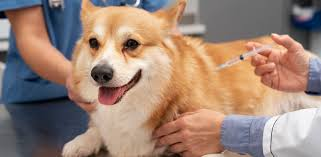
After shots, mild sleepiness, lower appetite, or small swelling at the site can appear. These signs often pass within a day. Call right away if you see trouble breathing, face swelling, hives, collapse, or nonstop vomiting.
Questions You Can Ask Your Veterinarian
You protect your pet best when you ask clear questions. You can start with three.
- Which vaccines are core for my pet and why
- Which vaccines are optional for my lifestyle and region
- What side effects should I watch for tonight and tomorrow
You can also ask how often your pet truly needs each booster and whether any titer tests are useful in your case.
Working With Your Local Hospital
Vaccination is not a one-time event. It is part of a steady care plan that grows with your pet. When you work with a trusted hospital, you gain a team that knows your pet’s history, your family’s needs, and your community’s risks.
Stay honest about travel, boarding, outdoor time, and money limits. Ask for a written plan you can follow without fear. With clear facts and a caring team, you can protect your pet from preventable disease and keep your home calm and secure.