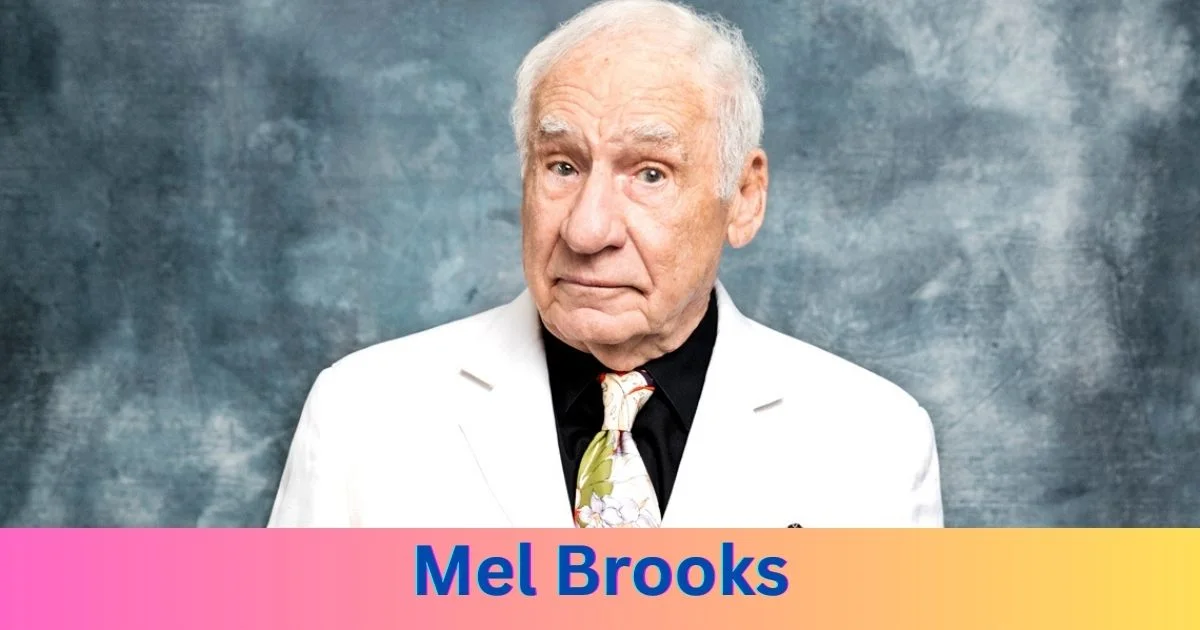
Why Do People Love Mel Brooks?
Mel Brooks is one of the most beloved comedy filmmakers of all time. His hilarious parodies and satires have entertained audiences for over 50 years.
But what is it exactly about Mel Brooks that makes him so popular and endearing? Here are some of the key reasons why people love Mel Brooks:
Films are Timeless Classics
Mel Brooks has created some of the most iconic and timeless comedies ever made. Films like Blazing Saddles, Young Frankenstein, and Spaceballs continue to entertain new generations of fans decades after their original release.
The themes and humor hold up remarkably well, keeping the films feeling fresh and hilarious even today. Brooks expertly spoofs classic films and genres, creating comedies with broad appeal that stand the test of time.
Pokes Fun at Taboos
Brooks became known for gleefully poking fun at cultural taboos and breaking boundaries. His early films like The Producers and Blazing Saddles took on provocative topics like Nazism and racism in ways that broke new ground.
By using comedy to address sensitive topics, Brooks makes them more approachable while also satirizing ignorance and prejudice. Even today, his willingness to take on controversial subject matter through humor makes his films uniquely bold and subversive.
Created Memorable Characters
From The Producers’ Max Bialystock and Leo Bloom to Young Frankenstein’s Frederick Frankenstein and Frau Blücher, Mel Brooks’ films are populated with some of the most iconic and beloved characters in comedy.
His characters are hilariously heightened parodies of people and cultural stereotypes that stick in viewers’ minds. Gene Wilder, Madeline Kahn, Harvey Korman, Cleavon Little, and others deliver performances so energetic and absurd under Brooks’ direction that they remain unforgettable.
Films Are Highly Quotable
It’s hard to find a Mel Brooks film that doesn’t contain at least a handful of highly memorable and quotable lines. From “It’s good to be the king!” to “Walk this way” to “May the Schwartz be with you” Brooks’ films are chock full of hilarious one-liners and exchanges that fans love to quote again and again.
The excellent writing and delivery of dialogue in Brooks’ films make them eminently quotable comedies.
Pioneered Parody Films
One of the key accomplishments of Mel Brooks is pioneering the parody film genre beginning in the late 1960s. Films like The Producers and Young Frankenstein took the idea of spoofing film genres to new heights.
Rather than simple satire, Brooks built narratives, characters, and visual styles that affectionately lampooned classic films. His parody movies set the template for numerous spoof comedies that would follow and revealed the potential of the genre.
Has a Rebellious Spirit
Part of Brooks’ appeal has always been his unpredictable, rebellious spirit willing to break the rules and push boundaries for comedy’s sake. From mocking Hollywood censors in Blazing Saddles to satirizing his own films in Spaceballs, Brooks embodies an anarchic mischief that translates to laughs.
He gleefully thumbs his nose at stuffy social conventions and niceties, tapping into viewer desires to break taboos and be a bit naughty. His penchant for rebellion injects his films with edgy, provocative comedy.
Humor Has Mass Appeal
A hallmark of Brooks’ comedy style is his ability to create humor with incredibly broad, mass appeal that transcends social and demographic barriers. Whether it’s slapstick, screwball comedy, clever word play or parody, Brooks’ diverse comedy toolkit holds universal humor that cuts across age, gender, and background.
He mines comedy from both highbrow and lowbrow sources to create jokes and gags with wide accessibility. It’s this broad, crowd-pleasing humor that has made his films into timeless classics.
Collaborated with Great Talent
Collaboration has always been a key part of Mel Brooks’ filmmaking, and he has partnered with some of the greatest comedic talents over his career. Frequent creative partners like Gene Wilder, Harvey Korman, Madeline Kahn, Cloris Leachman and others have helped bring incredible vibrancy and laughs to his films.
Great writing from Richard Pryor, Ron Clark, Rudy DeLuca and others also boosted Brooks’ films. Surrounding himself with top-tier talent has made his comedies richer and more hilarious.
Makes Clever Callbacks to His Past Work
Sharp, clever callbacks to past films have been a signature of Mel Brooks’ style, creating amusing connections between his films for longtime fans.
Whether it’s the character of Yogurt in Spaceballs calling out merchandising from Young Frankenstein or numerous references to Blazing Saddles in Robin Hood: Men in Tights, these intertextual gags reward loyal Brooks fans.
They also help create the feeling of Mel Brooks’ films existing in a shared comedic universe, giving them a unique appeal and insider feel.
Maintains a Youthful Spirit
Though he’s achieved elder statesman status, Mel Brooks maintains a remarkably energetic, youthful comedic spirit well into his 90s. He still pops up frequently in media and public appearances exuding mischievous charm.
His continued vitality and vigor for comedy is part of why he remains so adored over 50 years into his career. Brooks also seems perpetually in touch with topics and trends that resonate with young comedy fans, keeping him from ever feeling dated.
Did Brooks’ sense of humor change or evolve over his career?
Brooks’ sense of humor did evolve over the course of his decades-long career, though his comedic sensibilities largely remained irreverent and focused on parody.
In his early career, especially with edgy films like The Producers and Blazing Saddles in the late 1960s and 1970s, Brooks’ humor was particularly provocative and boundary-pushing. He gleefully mocked cultural taboos and incorporated plenty of raunchy, politically incorrect humor.
As his career progressed into the 1980s and beyond, Brooks’ comedic style became a bit more family-friendly and mainstream. Films like Spaceballs, Robin Hood: Men in Tights and Dracula: Dead and Loving It were more accessible, broader parodies aimed at wider audiences. He still mocked conventions of film genres, but turned down some of the edgier, raunchier elements of his earlier films.
However, Brooks maintained his affection for slapstick, word play, and spoofing serious subject matter. He poked fun at historical atrocities like the Spanish Inquisition in History of the World, Part 1. His energy and enthusiasm for laughs never dimmed over time.
But the target of his satire shifted somewhat from social taboos to moviemaking itself in later works. As he aged, Brooks channeled his humor as much into amusing cameos and guest appearances as films. But his sharp wit and instincts for funny never went away.
How has Brooks influenced comedy over the last 50 years?
Mel Brooks has profoundly influenced comedy over the last five decades in numerous ways:
- He pioneered and mastered the modern parody film genre, establishing the template for parody movies that has endured since.
- He made edgy, provocative comedy mainstream, pushing boundaries and addressing taboo topics in fresh, satirical ways.
- He demonstrated the potential of film comedy to make serious social commentary through satire.
- His films made elaborate spoofing of filmmaking styles and Hollywood conventions popular.
- He established certain comedy genres like the western parody (Blazing Saddles) and sci-fi spoof (Spaceballs).
- He created some of the most iconic comedic characters that other comedians have constantly referenced and emulated.
- His frequent fourth wall breaks were groundbreaking and highly influential on other meta, self-referential comedies.
- He paved the way for greater representation in comedy as a Jewish comedian making it big on his own terms.
- His broad, crowd-pleasing humor set a benchmark for accessible comedy with wide appeal.
- He mentored and collaborated with other comedy icons like Gene Wilder, paving the way for the next generation.
Few have mastered comedy across as many styles and eras as Mel Brooks, cementing his influence. Even today, young comedians cite Brooks as an idol and inspiration.
Films Are Often Musicals
An endearing and comedically effective aspect of many Mel Brooks films are their incorporation of original music and songs. Films like The Producers, Blazing Saddles and Robin Hood: Men in Tights feature highly entertaining musical numbers that Brooks co-wrote.
The skilled use of music and lyrics expands the comedy and gives the films memorable novelty songs that become earworms. It taps into Brooks’ background as a comedy writer for musicals early in his career as well.
He Has Made Comedic Masterpieces
At the end of the day, Mel Brooks will be remembered for the sheer number of beloved, laugh-out-loud funny films he created over his career. With masterpieces like Young Frankenstein, Blazing Saddles, The Producers and Spaceballs, Brooks secured his legacy as a comedy legend.
Very few writers and directors have generated so many classic comedy films that withstand repeat viewing. It is the sustained brilliance of his body of work that really makes him a treasure in the eyes of fans.
What makes Brooks’ comedy style so unique and effective?
A few key elements of Brooks’ style make his comedy so distinctive and effective:
- His rapid-fire, machine gun delivery of jokes keeps the pace brisk and laugh lines constant. Brooks wastes no time in setting up gags one after another.
- He balances highbrow references and slapstick lowbrow humor for comedy that works on different levels.
- His fearless mocking of cultural taboos and social boundaries pushes comedy into bold areas.
- He employs parody and satire but always with an underlying affection for the material he spoofs. His parodies are funny rather than mean.
- He combines intelligence and wit with shameless silliness. Brooks flaunts his smarts but loves going for broad, physical gags.
- His aesthetic is nostalgic, often evoking Borscht Belt or vaudeville styles, making the old feel new.
- He uses anachronism humor and absurdism by bringing modern attitudes to historical or fantasy settings.
- His dialectical word play and puns add sophistication while still being accessible.
By playing with audiences’ expectations and putting his own twist on genres, Brooks creates comedies of timeless humor with their own unique voice.
Has Brooks’ legacy aged well over time? Why or why not?
On balance, Mel Brooks’ comedic legacy has aged remarkably well over time because his films hold up as funny, clever and relevant decades later. A few key factors in this longevity:
- His comedy style balances slapstick silliness with wit, producing laughs on different levels. Slapstick ages well.
- He took on social issues like racism that still resonate today. The themes maintain relevance.
- His loving parodies poke fun in a friendly vs mean-spirited way, ensuring the humor feels timeless rather than cheap.
- He avoided topical jokes about current events/people, instead spoofing historical & cinematic archetypes that remain familiar.
- His films appeal to both adults and children across generations. They have family viewing longevity.
- The performances and characterizations remain hilarious through the strength of the writing and acting talent.
Of course, a few jokes or minor elements have aged poorly. A few racially insensitive gags in Blazing Saddles stand out. But overall Brooks’ stellar comedy writing and inspired, absurdist humor remain hysterical today. The care and talent he brought to his films has allowed them to stand the test of time and remain classics.
Breadth of Work Is Impressive
Finally, Mel Brooks simply has to be respected for his remarkable productivity and breadth of work across every comedy medium. From classic films to movie parodies to TV shows to Broadway musicals, Brooks has succeeded across the comedy landscape.
He even had a #1 rap single with “To Be or Not To Be.” That versatility and prolific body of work across disciplines is astonishing. Brooks has done it all in comedy, earning him icon status.
Conclusion
Mel Brooks’ incredible career leaves no question as to why he is so beloved decades later. From his numerous classic comedy films to his taboo-busting humor to the creation of timeless characters, Brooks has had an indelible influence on the genre.
Both high-brow and low-brow comedy come together in his unique, laugh-out-loud films for all audiences. By mocking cultural boundaries and fears, he showed the power of humor to make difficult topics approachable. Brooks has crafted his own style where intelligence meets absurdity for nonstop laughs.
His relentless comedic spirit and seemingly endless creativity are an inspiration. There will never be another comedy auteur quite like Mel Brooks, which is why his adoring fans will keep laughing at his films for generations to come. When people need a laugh, they turn to the master Mel Brooks.
Frequently Asked Questions About Mel Brooks
Who influenced Mel Brooks?
Mel Brooks was influenced by a number of early comedy stars and writers he admired. As a child, he loved the Marx Brothers, Charlie Chaplin, Buster Keaton and Harold Lloyd for their physical comedy.
Writers S.J. Perelman and Neil Simon taught Brooks witty wordplay and high/low comedy mixing. Brooks also admired Sid Caesar, Carl Reiner and «Your Show of Shows.» He took inspiration from parody songwriters like Tom Lehrer and Broadway composer Frank Loesser.
How many films has Mel Brooks directed?
In a remarkable comedy directing career spanning over 50 years, Mel Brooks has directed 13 feature films. His directorial filmography consists of:
- The Producers (1967)
- The Twelve Chairs (1970)
- Blazing Saddles (1974)
- Young Frankenstein (1974)
- Silent Movie (1976)
- High Anxiety (1977)
- History of the World, Part 1 (1981)
- Spaceballs (1987)
- Life Stinks (1991)
- Robin Hood: Men in Tights (1993)
- Dracula: Dead and Loving It (1995)
- The Producers (2005)
- Young Frankenstein (stage adaptation, 2007)
How has Gene Wilder contributed to Mel Brooks films?
The prolific partnership between Mel Brooks and Gene Wilder spawned some of the most beloved comedies ever made. As a star, co-writer and collaborator, Wilder contributed:
- Unforgettable lead performances in The Producers, Blazing Saddles and Young Frankenstein.
- Co-writing Young Frankenstein with Brooks, considered one of the best written comedies.
- Playing the perfect straight man to Brooks’ zaniness.
- Helping give Brooks’ films heart and humanity amidst the absurdity.
- Wilder’s improvisational skills and knack for physical comedy added spontaneity.
- His performances defined Brooks’ style of parodying classic film genres.
- Allowed Brooks to create broader family-friendly humor later in their careers.
Wilder was the perfect partner for Brooks and they brought out the best in each other comedically. It was a legendary match of talents.
What was Mel Brooks’ broadway debut?
Mel Brooks made his debut on Broadway as a writer and lyricist for the musical Shinbone Alley in 1957. Though it was short-lived, it marked the first Broadway production that Brooks contributed to.
It would establish his Broadway credentials, leading him to write book, music and lyrics for his massive Tony-winning hit The Producers in 2001. After the huge success of that show, Brooks continued adapting more of his films for the Broadway stage like Young Frankenstein in 2007 and The Producers sequel in 2012.
But his comedic musical theater career first started with helping bring the musical Shinbone Alley to Broadway over 60 years ago.
What awards has Mel Brooks won?
Mel Brooks has won numerous prestigious awards spanning comedy, film, and theater over his career, including:
- 4 Emmy Awards for writing
- 3 Tony Awards including Best Musical for «The Producers»
- 3 Grammy Awards
- An EGOT (Emmy, Grammy, Oscar, Tony)
- The prestigious Kennedy Center Honors award
- The American Film Institute’s Lifetime Achievement award
- A star on the Hollywood Walk of Fame
- Induction into the Television Academy Hall of Fame
In total, Brooks has won a remarkable total of 11 Emmy, Grammy, Oscar and Tony awards. Few creators have received so many accolades across as many creative fields as Mel Brooks.
What are Mel Brooks’ best films?
Though it’s hard to narrow down, these are frequently cited as Mel Brooks’ finest and most beloved films he directed:
- The Producers (1967) – Masterpiece satire and musical comedy.
- Blazing Saddles (1974) – Western satire and taboo breaker.
- Young Frankenstein (1974) – Brilliant parody and creative high point.
- Spaceballs (1987) – Star Wars spoof with huge cultural impact.
- History of the World, Part 1 (1981) – Episodic historical satire.
- Robin Hood: Men in Tights (1993) – Fun late career parody.
- The Producers (2005) – Meta adaptation and Broadway smash.
Consistently cited as the best are The Producers and Young Frankenstein for their humour, performances and filmmaking craft. But his whole directorial filmography shows Brooks’ comedy genius.